The Art of Timeless Travel Photography: An Exclusive Interview with Nico Trinkhaus
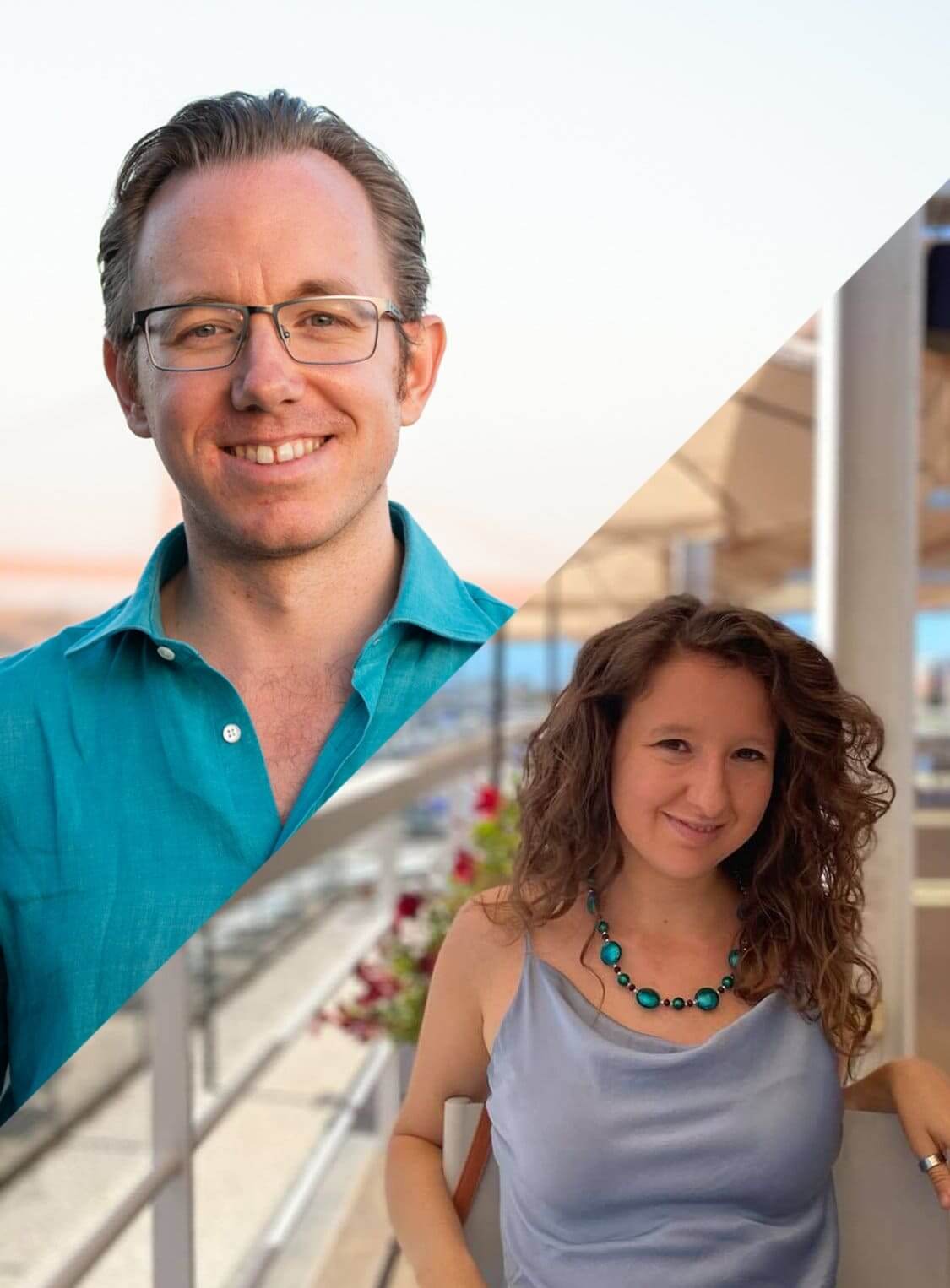
Nico Trinkhaus is an award-winning travel, landscape and cityscape photographer, known for his vivid images of European cities and landscapes.
His work first gained international recognition in 2013 when Thunderstorm at Alexanderplatz went viral, leading to global press features, gallery representation and exhibitions across Europe.
Today, Nico, who works alongside his partner, Daria, is increasingly focused on print-led work and physical exhibitions. His first solo show, CORação – Colours of the Heart, was featured at Lisbon Airport this autumn.
This interview is the latest in a new series in which I’m shining a spotlight on some of my talented photographer clients. The purpose is to give them a platform to share their stories, experiences, and creative insights in their own words.
Nico generously reflects on his journey as a travel and cityscape photographer and his approach to timeless imagery. His answers offer thoughtful insight into both his creative process and the realities of building a photography career, and I hope you enjoy reading them.
Zoe
Interview with award-winning travel photographer, Nico Trinkhaus of Sumfinity Photography
Nico, can you tell us about your first paid photography shoot/commission?
“This is a difficult one for me to answer, because I don’t really work in the traditional way of doing paid shoots or commissions. I usually organise my travels independently and then sell the resulting images as a more exclusive form of stock material.”
What was your first camera?
“My very first camera was a point-and-shoot — I believe it was a Sony, although I’m not entirely sure. At the time, it was very difficult for me to shoot HDR photography because I had to go into the menu each time to change the exposure. I didn’t have a tripod either. I remember placing the camera on the head of my partner, Daria, and asking her to stand still, which I’m still amazed she managed to do!
When things became more serious, my first “real” camera was a Canon 500D. I used that until 2014, when I switched to Nikon, first with the D800 and later the D850. More recently, in 2022 or 2023, I switched to Sony and now shoot with the Sony Alpha A7 VR.”
What camera or gear can you not live without now?
“It probably looks funny that I’m using a Nikon lens on a Sony camera, but I absolutely cannot live without my 19mm tilt-shift lens. It’s an incredible tool for architecture and travel photography, especially in narrow streets or when working with tall buildings.”
Can you share the story behind securing your first paying client or project?
“Everything started in 2013, when my photograph Thunderstorm at Alexanderplatz went viral on 500px. That led to my first deal with a press agency, which represented me and licensed the image to publications around the world.
A gallery in Germany also reached out to represent that photograph and offered it for sale in their space, which resulted in my first gallery sales.”
If your work has been exhibited or published, can you tell us about when and how this first happened?
“That same photograph, Thunderstorm at Alexanderplatz, was also the first image of mine to be publicly exhibited. It was shown at Somerset House in London as part of the Sony World Photography Awards, where it received a commendation and was subsequently included in the exhibition.
Since then, my work has been shown in group exhibitions across seven or eight European countries. Sometimes I applied to open calls and was selected; other times I was invited because curators felt my work suited the exhibition.
Most recently, I’ve had my first solo exhibition.”
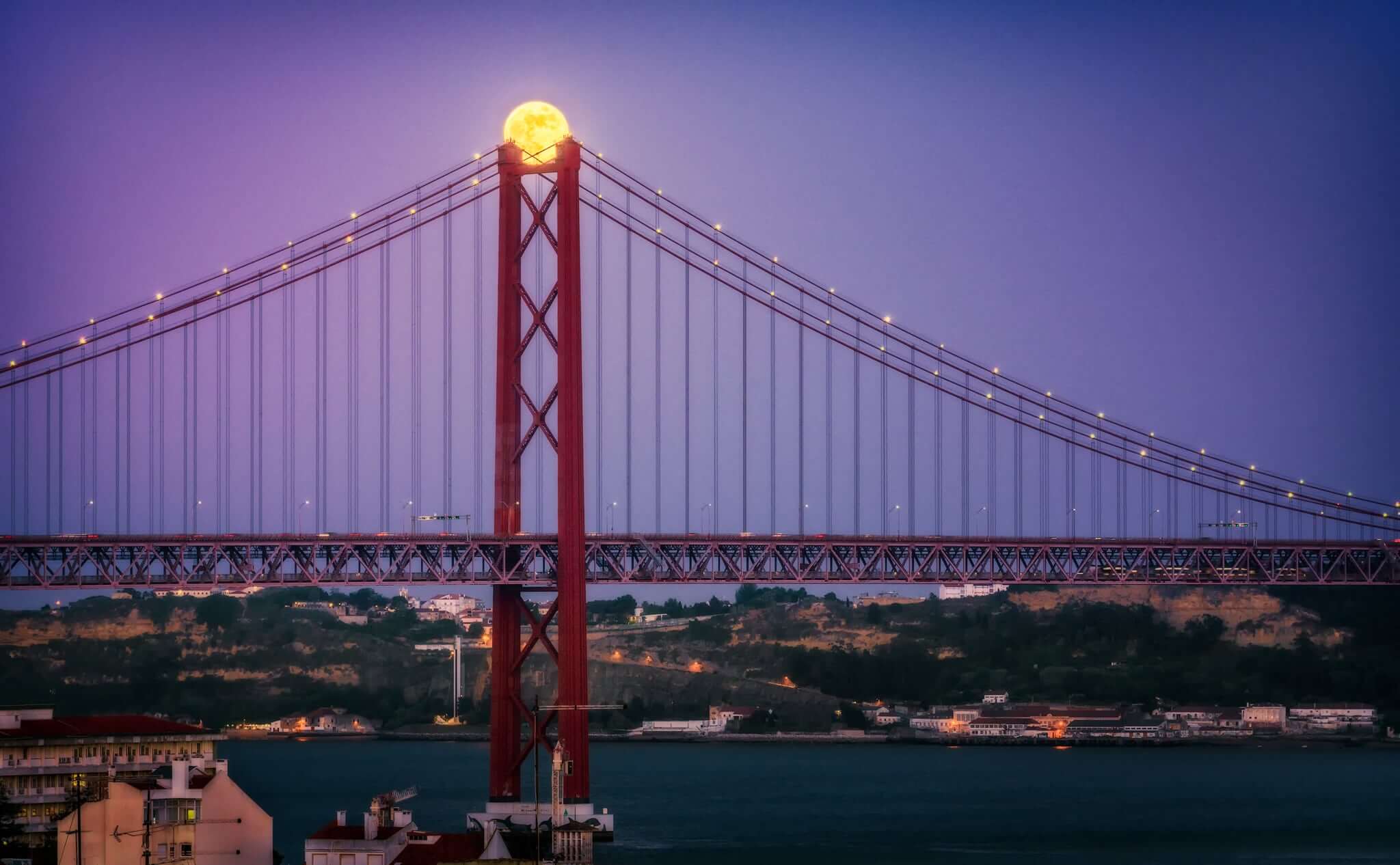
What is your most recent publication/exhibition or feature?
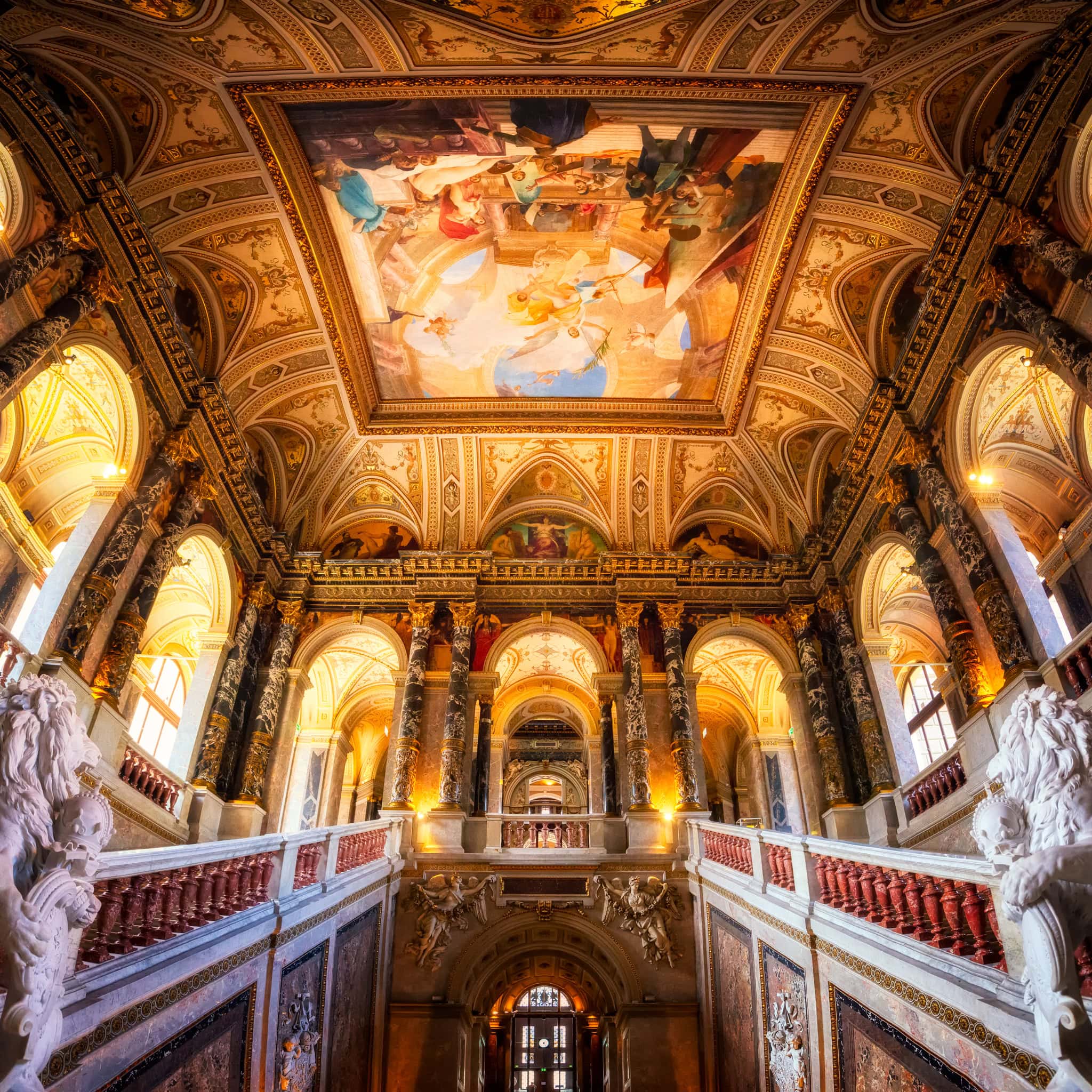
“My most recent exhibition — and my first solo show — recently took place at Lisbon Airport. It featured my project CORação – Colours of the Heart. I’m genuinely amazed by how it turned out, as every visitor passing through passport control at Lisbon Airport walked past nine of my photographs.
The selected works showcased Portugal and welcomed visitors from around the world.”
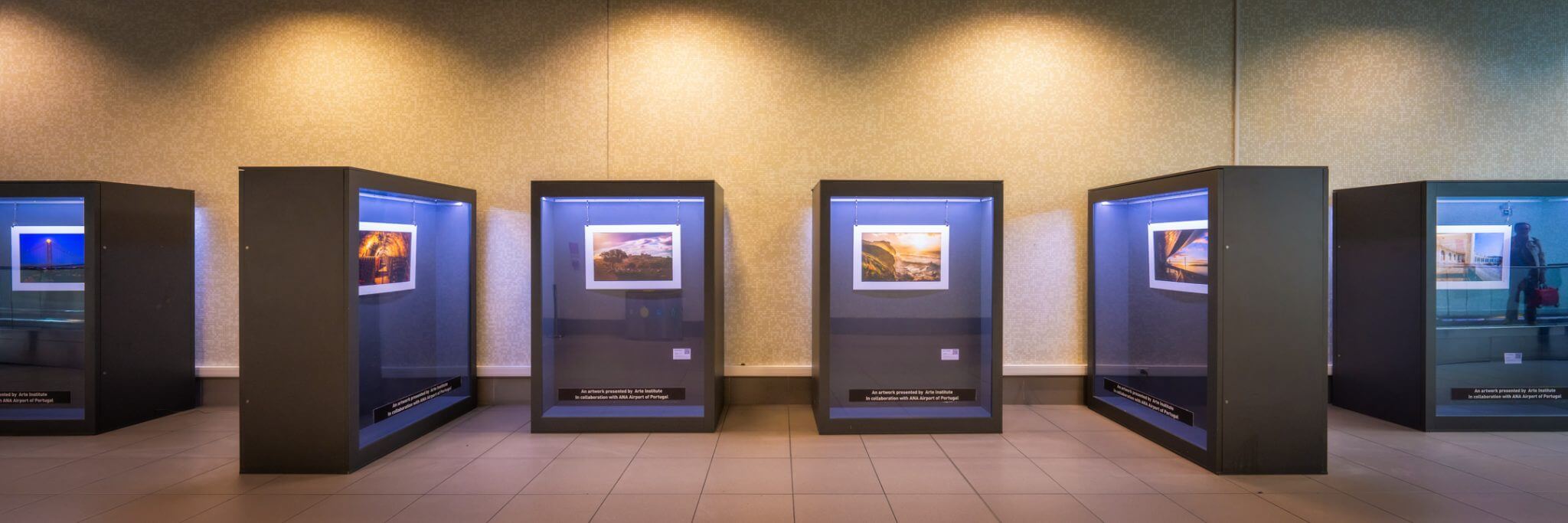
© Nico Trinkhaus / Sumfinity
Can you share details of your first big challenge in your photography business?
“One of my biggest challenges came shortly after Thunderstorm at Alexanderplatz went viral and began selling. I realised the image was also being used by many companies who hadn’t licensed it.
I discovered that several of my photographs were being used by large luxury hotels, airlines and travel agencies without permission. At the time, it was extremely disappointing. If those companies had paid the correct licence fees, my photography business would have flourished much earlier.
Since then, I’ve been very strict about copyright infringement and ensuring that my work is properly licensed. Otherwise, there would be little incentive for anyone to pay for image usage if others can get away with it. I think this is something many photographers struggle with and have to learn to address.”
What was the most recent challenge you have been working through?
“Recently, I’ve been focusing on moving away from the purely digital space and more into the physical world. I have a bit of a love–hate relationship with social media.
On one hand, I love how it connects people globally and allows us to reach audiences we otherwise couldn’t. On the other hand, with attention spans becoming so short, I see a huge difference in value between scrolling past an image on Instagram and experiencing artwork in person.
I’m less interested in making someone stop for one or two seconds on a screen, and more interested in creating work that makes people pause, feel something, and reflect when they encounter it in the real world. That’s a challenge I’m still actively working through.”
Is there a photo you’re particularly proud of (and why):
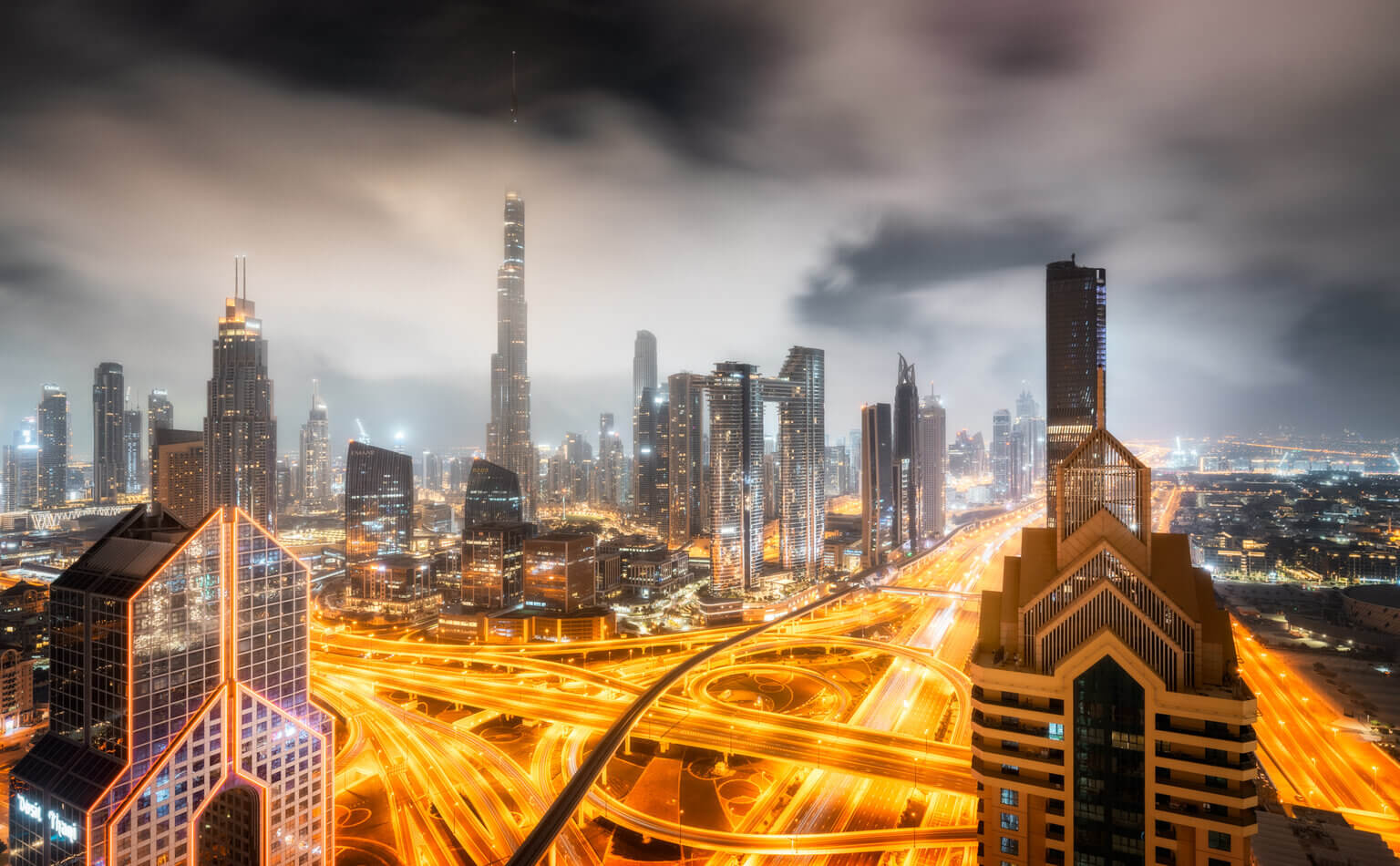
“It’s hard to choose just one, but recently I’d say my Downtown Dubai at Night photograph. It was taken during a workshop I was leading for PhotoPills. That morning, we were supposed to shoot in Abu Dhabi, but we closely monitored the fog forecast — because capturing Dubai in fog is something many photographers dream of.
We had to make a difficult decision: stick to the original plan or drive back to Dubai with no guarantee the fog would materialise. In the end, we made the call to return.
We woke everyone at 3:30am and got on the bus. While the fog didn’t fully descend, we were greeted by low-hanging clouds, which created a dark, mysterious atmosphere. The Burj Khalifa pierced through the cloud layer, standing alone above the city.
I love that image because of the anticipation, the uncertainty, and the reward of creating something unexpected and uncommon for Dubai.”
Who/What is your favourite subject to photograph or type of shoot?
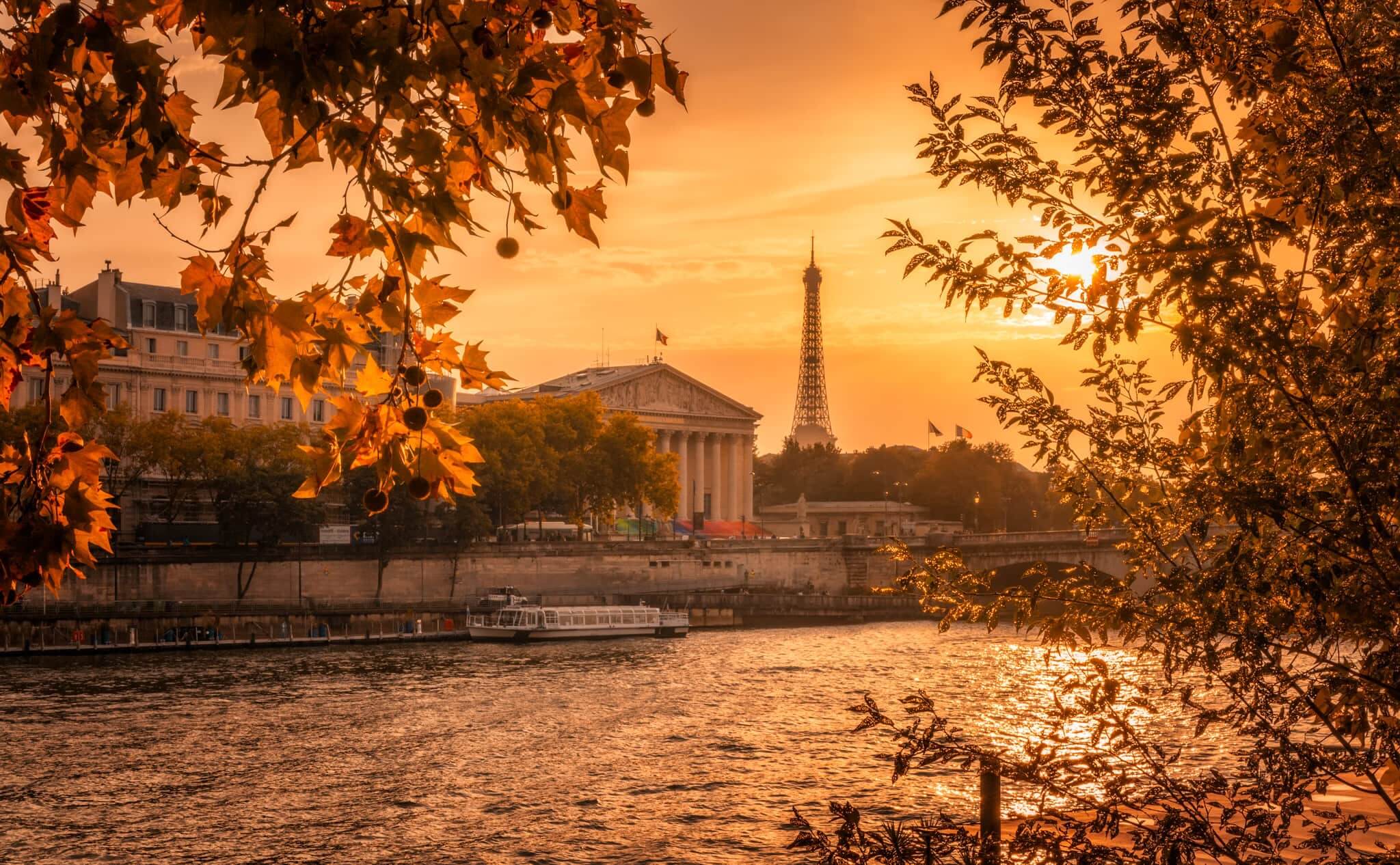
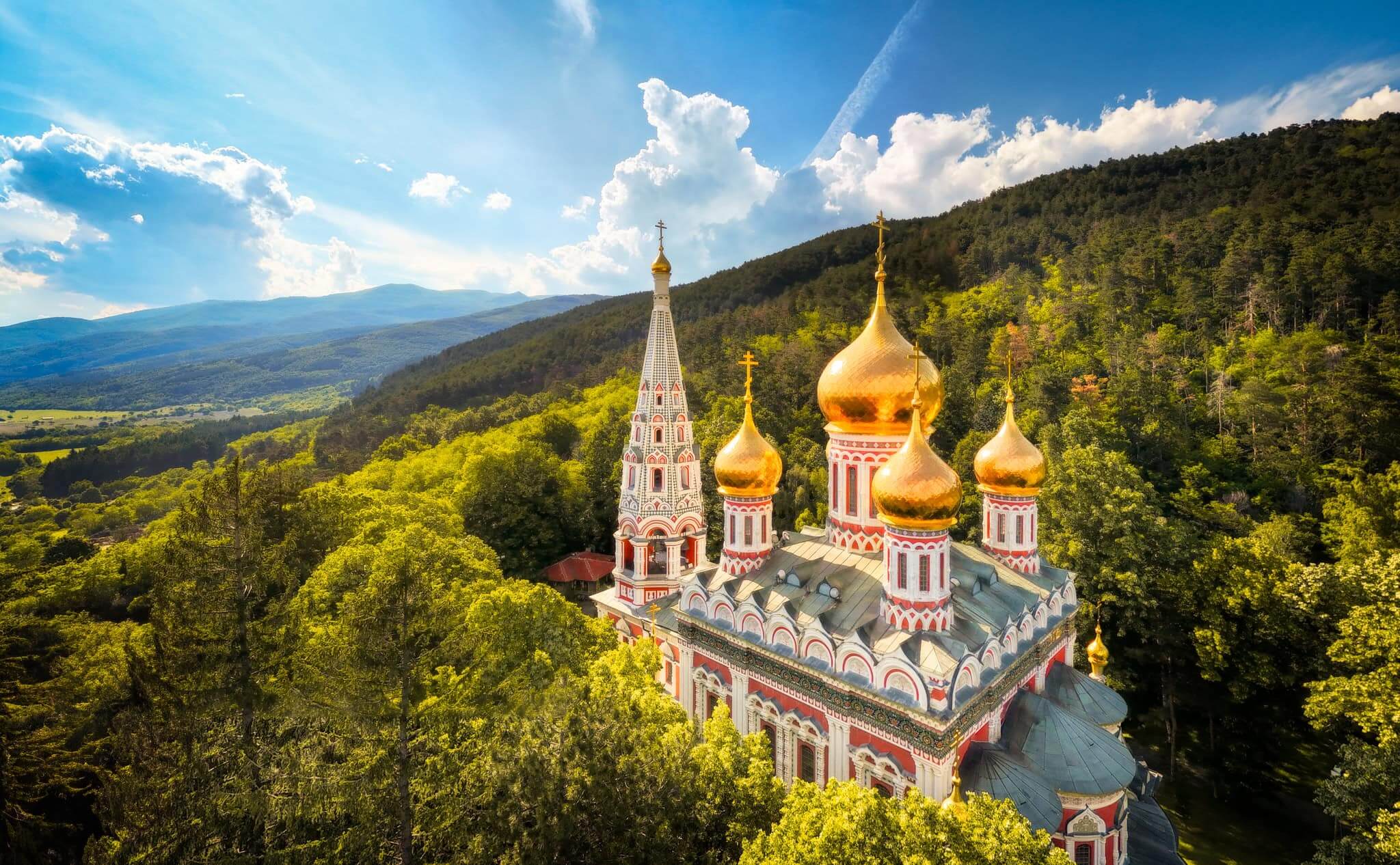
“I describe my work as timeless travel photography. I’m drawn to places where the impact of humans is visible — cities, villages, or landscapes subtly shaped by us. I rarely photograph pure nature. Even in natural scenes, I like to include elements such as a road, a lighthouse or a chapel.
I also never photograph people. I’m interested in creating images that feel just as relevant today as they did ten or twenty years ago — and hopefully will still feel relevant in the future.”
What lesson has most changed how you work?
“The biggest lesson has been staying true to what I personally enjoy photographing. It’s very easy to look at everyone else’s highlight reels and think you should shoot more of what performs well.
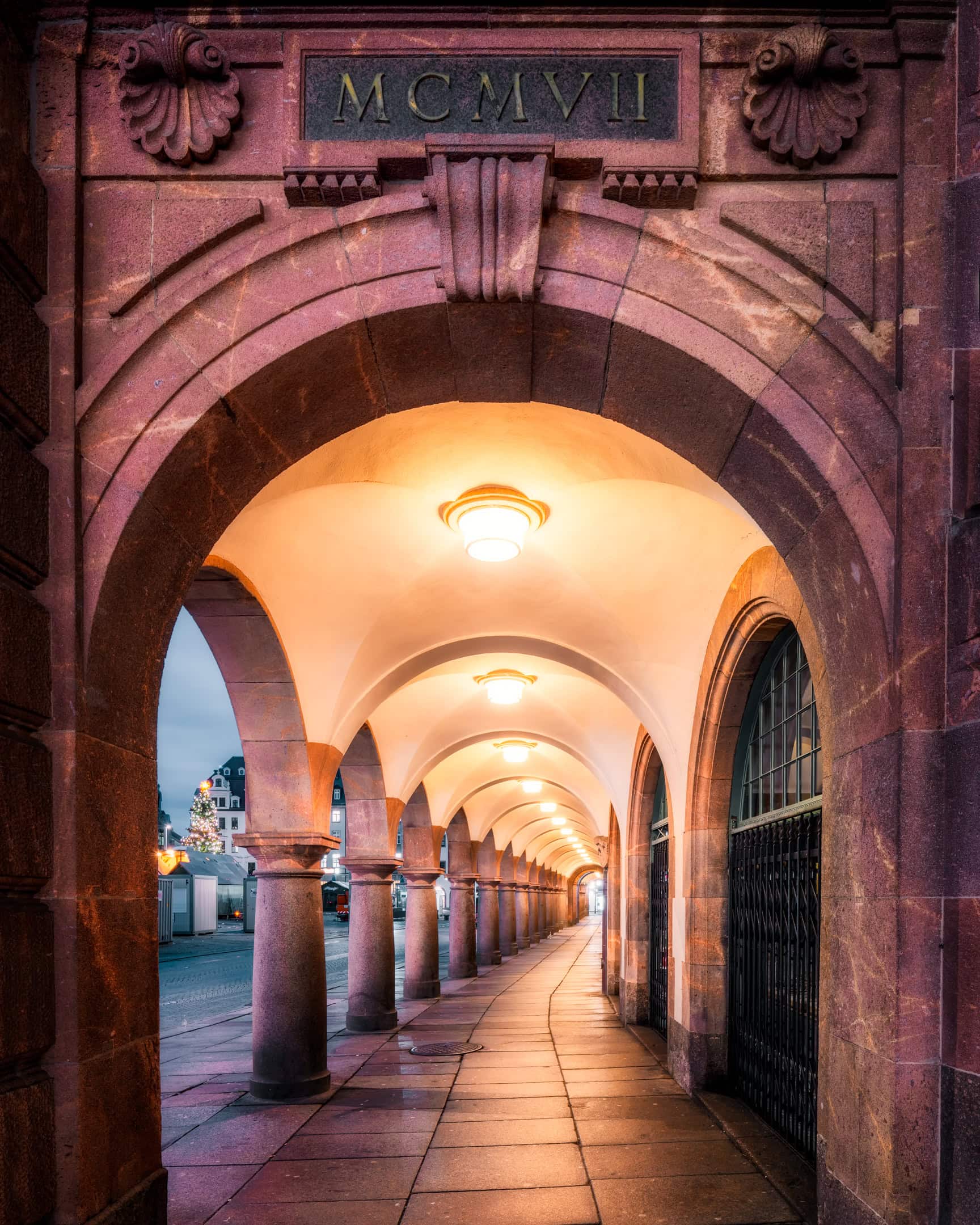
For example, I love photographing buildings straight-on, directly facing the façade. Those images don’t perform particularly well on Instagram and aren’t the kind that usually win awards, but they matter to me.
Ironically, those are often the images that sell best as prints, because if someone has a personal connection to that building, my photograph is often the best representation of it. That was a really important lesson.”
What advice would you give to your younger self when you first started photography?
“Don’t be afraid to ask questions. You don’t have to figure everything out alone. Most of the technical knowledge already exists, and photographers are generally happy to help.
I wish I’d asked others for advice earlier instead of trying to work everything out solely through tutorials.”
Quickfire Questions:
© Nico Trinkhaus / Sumfinity
Studio or outdoors?
Outdoors. In 15 years of photography, I’ve spent maybe two hours in a studio.
Digital or film?
100% digital. Processing is an essential part of my workflow.
Morning shoots or evening shoots?
Morning. I’m the person who wakes up for every sunrise while travelling.
Editing yourself or delegating?
I always edit my own work. It’s a crucial part of my creative process.
What’s next for you, Nico?
“My focus now is stepping further into the physical world. I want to improve the way my print shop operates and curate more exhibitions. My goal is to connect with people beyond screens, through prints, exhibitions and real-world experiences.”
View The Sumfinity Photography Website
Travel Photography by Nico Trinkhaus: Photos of 120+ Destinations
Note from Zoe: Thank you, Nico, for this fantastic interview and for sharing so generously! Wishing you all the very best in your exciting career and with your future exhibitions!
Nico’s 5-Star Google Review
“Working with Zoe has had a real impact on my photography business”
“I had long neglected PR because it felt complex and overwhelming, despite knowing how impactful it could be. After overthinking it for far too long, I reached out to Zoe, and I’m genuinely glad I did.
She makes the entire process feel effortless, answers every question with clarity, and, most importantly, proactively moves things forward instead of waiting for direction. The collaboration has had a real impact, not just good intentions. My only regret is not reaching out to her sooner.”
Nico Trinkhaus (December 2025)