Steven Wade Adams: Inspiring Change Through Humanitarian Photography
Thanks to the positive feedback I have received on this new Purposeful Photography Series, I am back with another interview, and this time I’m featuring U.S.-based humanitarian and cultural photographer Steven Wade Adams.
Steven is an international photographer with a unique background that combines science, global health, and visual storytelling. With a doctorate in veterinary medicine (DVM) and a PhD, he spent years working in the fields of global health and research before turning his focus to humanitarian and cultural photography.
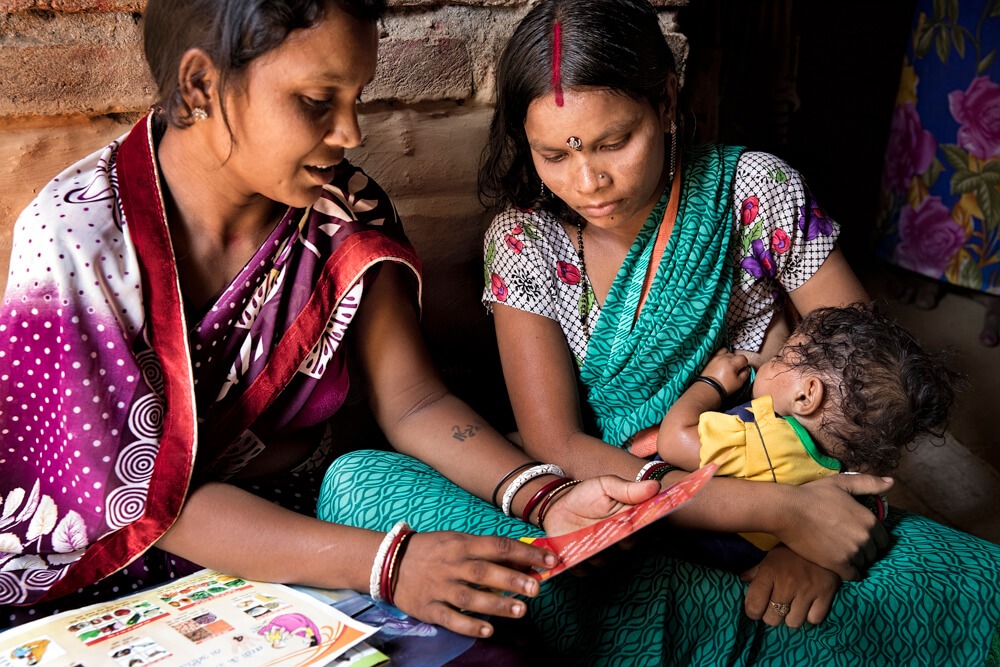
Today, his work is dedicated to capturing powerful narratives around issues such as women’s health, climate resilience, and social justice. His images are commissioned by NGOs, nonprofits, and humanitarian organisations seeking to highlight resilience, dignity, and the shared human experience.
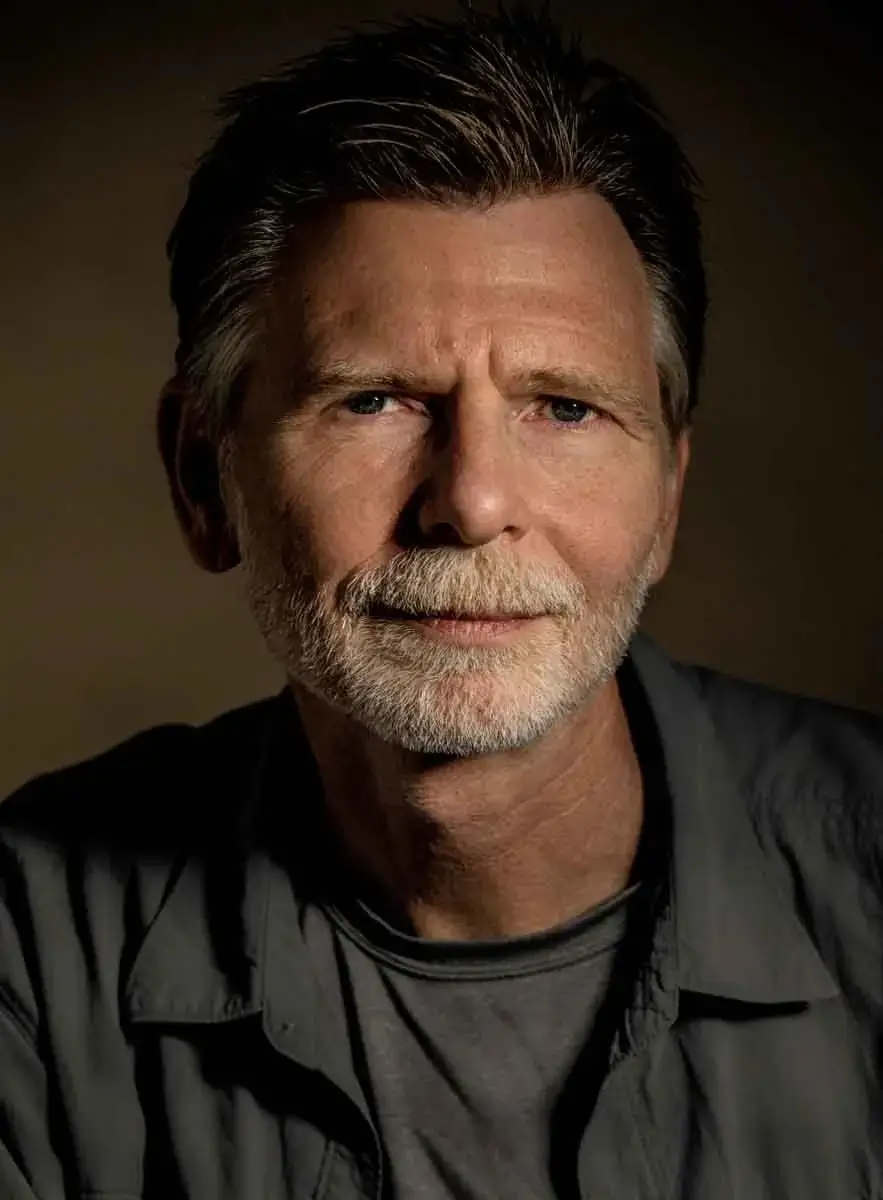
Beyond his photography assignments, Steven (pictured) also shares insights and resources through his cultural and humanitarian photography newsletter (well worth a follow if you are interested in these topics).
He helps mission-driven organisations in using photography to communicate their impact more effectively.
Exclusive interview with Steven Wade Adams
In this conversation, I interviewed Steven about his path into humanitarian photography, the challenges and responsibilities of visual storytelling in sensitive contexts, and what he’s learned from documenting communities and causes across the globe.
Want to be featured in this Purposeful Photography Series? Get in touch to apply.
Can you tell us about the deeper purpose behind your photography? What drives you creatively and personally?
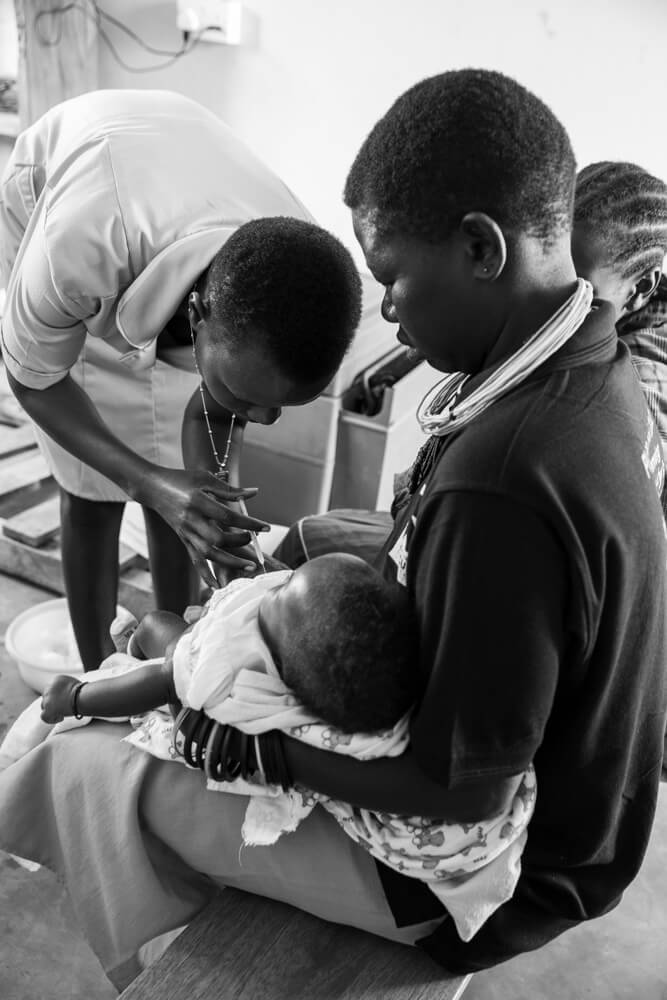
Steven: Having been educated and worked in health care for quite a long time, I am interested in efforts that enhance access to medical and mental health care, but also other basic human needs such as housing, food security and safety.
It is my hope that my photography provides a tool to address inequity that occurs for a variety of reasons. I am personally motivated to combine my experience in health care and strategy with my photography to create compelling visual stories about resilient individuals and communities that work to overcome adversity.
My work in strategic planning for international development organizations provides me with a unique ability to combine a very strategic level of problem-solving with photographic technical skills in the field to deliver impactful results.
I am very fortunate to be able to dedicate myself 100% to projects and causes that are personally meaningful to me.
How did your interest in creating purposeful or impact-driven work begin? Was there a moment, experience, or project that shaped this path for you?
Steven: Many years ago, while still working in biopharmaceutical research, I had the opportunity to join the board of an international development organization that provided humanitarian relief and capacity development in countries all around the world.
As part of this work, I was able to visit a number of them in Africa and Asia and contribute to their technical strategies . Through these experiences, I began to understand the scope and approach to programs at a highly technical level and I was inspired to find ways to continue this work while also feeding my desire to make a more creative contribution through visual storytelling.
In what ways do you feel your photography contributes to something bigger than just the final image, whether that’s in your local community, industry, or the wider world?
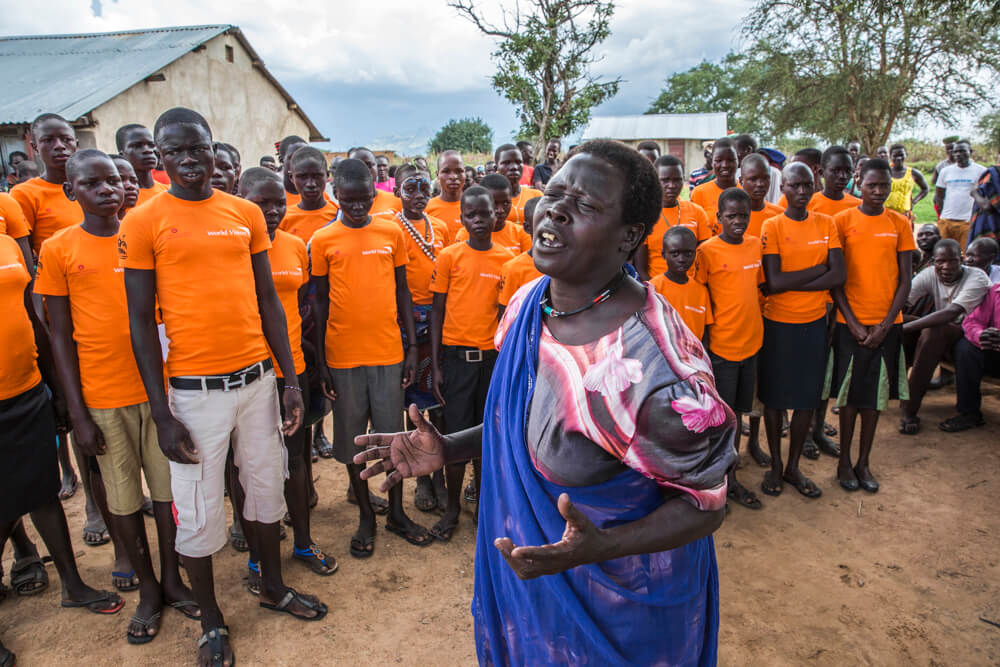
Steven: Feeling connected to a subject and creating an image that reflects the reality and feelings of a person living in very different circumstances than my own is always challenging and also highly rewarding when successful. I try to work with my clients in far in advance of the fieldwork as possible to create and refine the need for the images and how they might be used.
The real value in the photograph to me is how it makes stakeholders feel they can connect and want to make a difference. I have come to realize that the more connections I can make in the field the more will likely translate into images that are the most compelling for the intended audience. As someone once told me, if you don’t care about your subject, then neither will anyone else.
How does your sense of purpose influence how you approach your work, your subjects, or the stories you tell through your photography?
Steven: While often challenging to execute, I am always pushing my clients for the opportunity to spend more time in the field with the folks I will be photographing. I find it highly beneficial to spend time connecting and understanding their realities.
Since I often judge my work through the lens of what I (or others) feel about the humanity of the scene, this I can be challenging to deliver in a short time frame.
I also argue for time to photograph the environment in which these communities live. It is an important part of the context for the client and their stakeholders. Unfortunately, many stakeholders don’t always understand the value prospectively, but almost always appreciate the additional layers it provides to enrich the overall story.
Can you share an example of a project, series, or moment where you saw your photography make a real impact on someone else, on yourself, or in a broader sense?
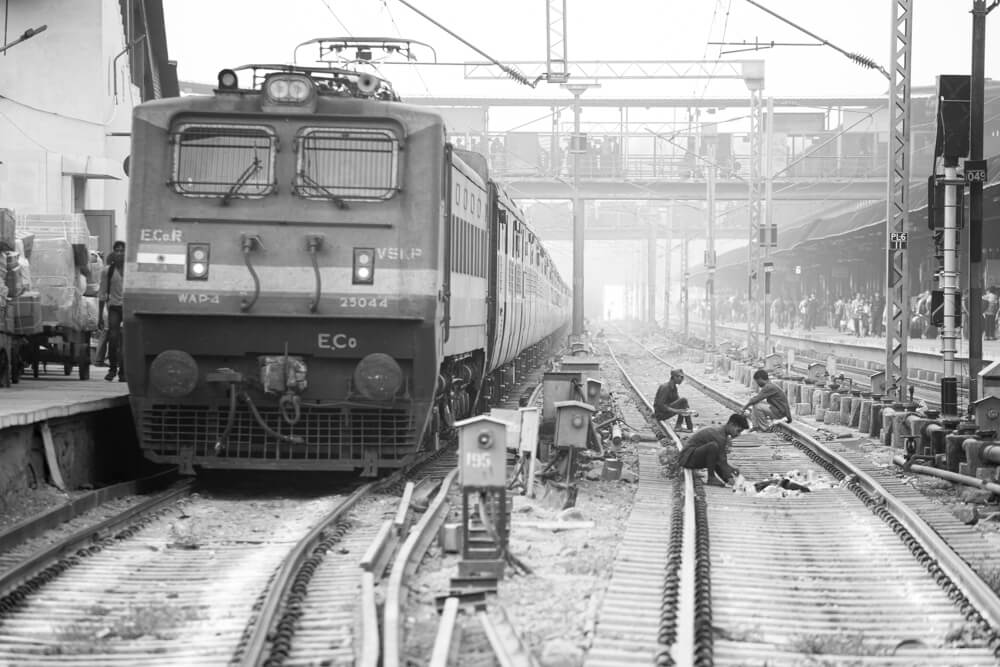
Steven: One example that comes to mind is the time I spent a couple of days photographing and interviewing young boys who had been lost or abandoned in train stations in major metro centers in India.
Some were lucky and ended up at the PCI India Boys Home in Haryana, India. The school provides exceptional support and is a model of care for orphaned, abdominal traumatized children, but is entirely privately funded and is always operating on a shoestring.
My task was to create a series of images of boys at the home and a photo book that was then successfully used for fundraising. The element I most liked about this project was that the individual stories from each of the boys that accompanied their portraits and really brought their circumstances and needs to life.
What made this especially real for me what the extra time I invested in visiting the main train station in Delhi to collect environmental images to provide context as noted above. My goal was to get a better sense of types of locations these boys were often found lost or abandoned. While I was photographing with a local guide, we fortuitously came upon an adolescent boy who had been traveling for more than 24 hours on a train with no food or water in weather that exceed 110 degrees F.
We were able to connect the young boy with social services, and it made the boys’ stories very real for me and gave much purpose to capturing their stories. Ultimately sharing the individual stories of the boys was a key dimension fund fundraising to keep the school going. When I was able to talk with donors, the additional work in the train station provides a significant addition to the context. The Boys Home remains in service today.
What challenges or dilemmas have you encountered in creating work that has meaning beyond aesthetics, and how have you navigated them?
Steven: The biggest challenge I always have is limited time. I always want to spend more time in the village or with a group of people, as I know that is when we will be able to obtain the most authentic images. Time, distances that must be travelled often hinder this. The limited time also inhibits the cultivation of real relationships, which in turn enhances the image-making. I always try to get as much time in the field as possible.
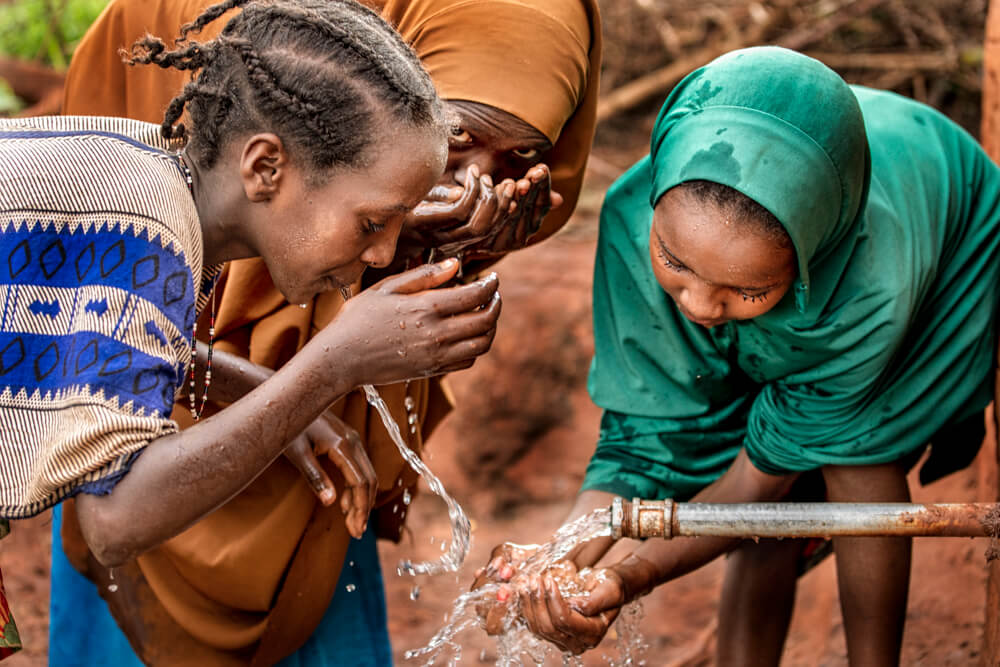
What advice would you give to other photographers who want to bring more purpose into their work, even if they’re not sure where to start?
Steven: The clearer you can get with your purpose, it will enhance the quality of the work. I believe that most of us are seeking human connection. This is what I keep in mind, no matter how hot or tired I might get from travel. Aim to get your intended audience to feel that same connection you feel when capturing the photograph.
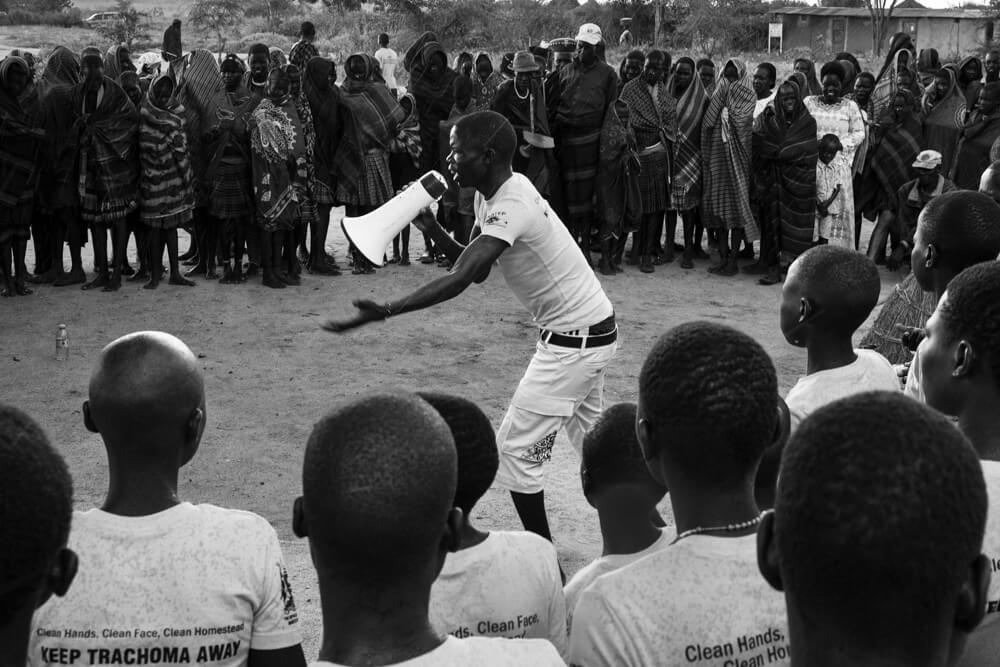
What’s next—any upcoming ideas, collaborations, or goals you’re excited about?
Steven: In a couple of weeks (from August 2025), I am starting a personal project that highlights many of the inequities faced by the indigenous peoples of Guatemala. As part of this project, I will be exploring and documenting some of the social barriers to health care, education and other basic resources. In addition, I have an assignment to create a short documentary on a program in Guatemala that supports maternal health for high-risk pregnancies in women from the indigenous populations in the highlands of Guatemala. This work will be used for education and fundraising activities.
Many thanks again to Steven Wade Adams for sharing his photography and insights with us.
Visit his website to discover more of his humanitarian and cultural photography, and listen to recent podcast interviews with Steven below, which reveal more about his backstory and work.
You can also connect with Steven on LinkedIn and Instagram.
Copyright & Reproduction Notice: This interview may not be reproduced, republished, or distributed in whole or in part without prior written consent from Zoe Hiljemark. Proper attribution is required for any authorised use or excerpting.